The short version
If you are choosing one lake for a first visit, Lake Kawaguchiko is usually the simplest place to start, especially if you are travelling without a car. It has the most direct transport links, the widest range of places to stay and the greatest choice of sights around the lake.
The other lakes make sense when the character of the trip matters more than convenience. Choose Yamanakako for an outdoor stay with cycling, camping or water activities; Saiko for forest, caves and volcanic landscape; Shojiko for a smaller, quieter lakeside day; and Motosuko for open scenery, camping and hiking.
There is no single best lake. The useful choice is the one that fits how you want to spend your time, and how you plan to get around.
- Kawaguchiko: A first visit and varied sightseeing. It is the simplest base without a car.
- Yamanakako: Cycling, camping and water activities. It has direct buses but forms a separate area from the western lakes.
- Saiko: Forest, caves and volcanic landscape. The Green Line connects it with Kawaguchiko.
- Shojiko: A smaller, slower lakeside visit. The Blue Line serves it, but there are fewer stops around which to build a day.
- Motosuko: Open scenery, camping and hiking. The Blue Line serves it, but its timetable needs closer attention.
The Fuji Five Lakes are often presented as if they were five versions of the same destination. They are not.
Kawaguchiko, Yamanakako, Saiko, Shojiko and Motosuko sit relatively close together at the northern foot of Mount Fuji, but the experience changes considerably from one lake to another. Transport, accommodation, activities, landscape and the amount of development around the shoreline are all different.
You do not need to visit all five to understand the region. In many cases, choosing the lake that best fits your trip will give you a better experience than trying to collect all five in one day.
Lake Kawaguchiko: the easiest first choice
For most first-time visitors, Kawaguchiko is the simplest introduction to the Fuji Five Lakes.
Kawaguchiko Station is the end of the Fujikyu railway line, and both trains and highway buses connect the area with Tokyo. Kawaguchiko is the easiest of the five lakes to reach from Tokyo and the main sightseeing hub of the Fuji Five Lakes area.
Once there, the Red Line sightseeing bus serves much of the lake, including the northern shore and Oishi Park. Kawaguchiko Station is also the starting point for the Green and Blue sightseeing bus lines towards Saiko, Shojiko and Motosuko.
This makes Kawaguchiko particularly practical if you do not have a car.
There is also more conventional sightseeing infrastructure here than around the smaller western lakes: museums, hot springs, the ropeway, sightseeing boats, restaurants and a wide range of accommodation are spread around the lake.
That convenience comes with a trade-off. Kawaguchiko is also where many visitors concentrate, especially around well-known viewpoints and during peak seasons.
Choose Kawaguchiko if: this is your first Fuji Five Lakes visit, you are relying on public transport, or you want sightseeing options alongside the lake itself.
Lake Yamanakako: for an outdoor lake stay
Yamanakako feels different.
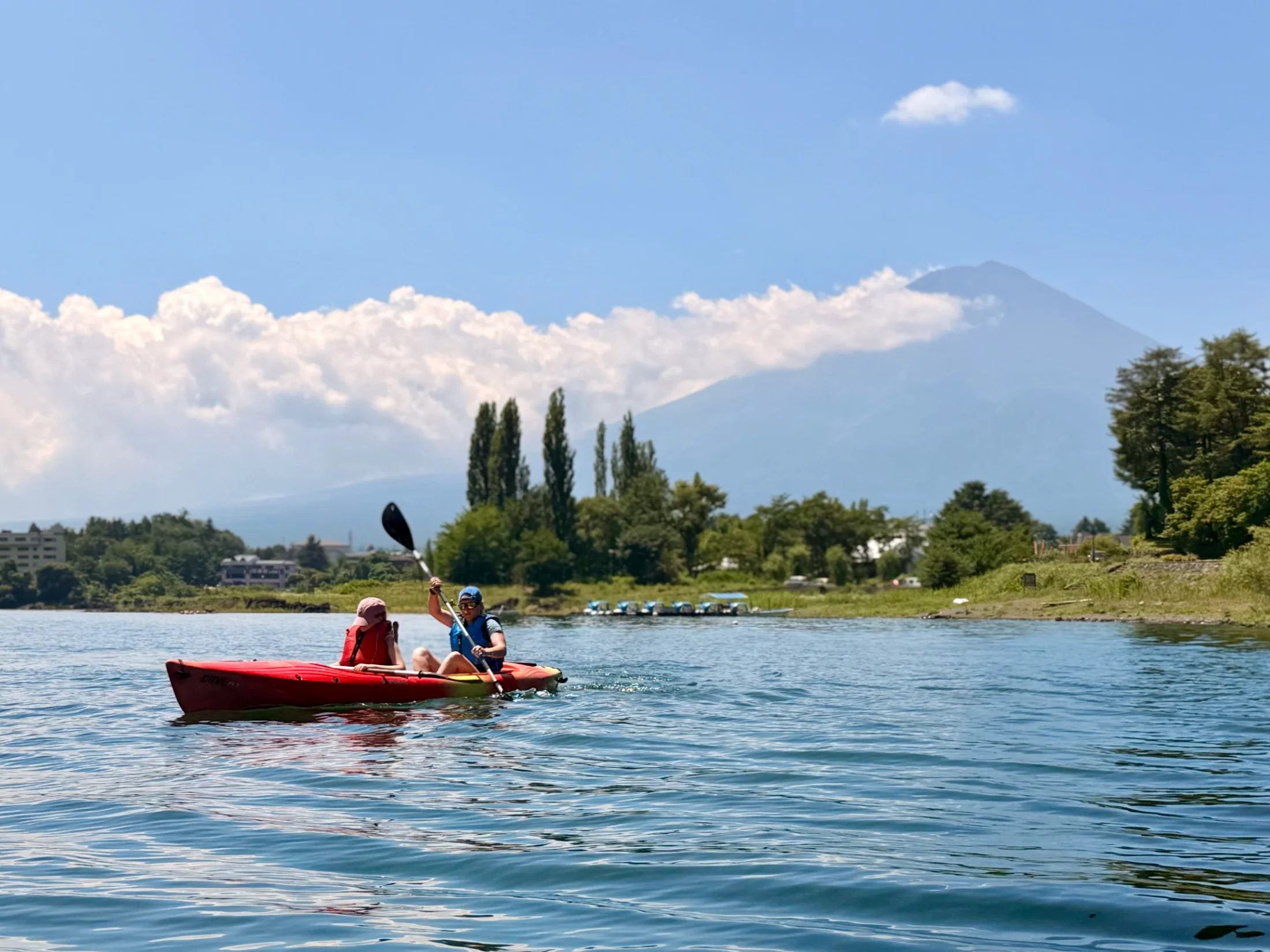
It is the largest of the Fuji Five Lakes and sits at around 1,000 metres above sea level. The area is known as a highland lake and forest resort, with boating, canoeing, camping, cycling and hiking as important parts of the experience.
A cycling road follows the lake, and the relatively open landscape makes the relationship between the water and Mount Fuji a major part of the experience. Yamanakako is also the closest of the five lakes to Mount Fuji.
It does not have a railway station, but that does not mean it is inaccessible without a car. Highway buses run directly from Tokyo and Shinjuku towards Yamanakako, while the Fujikko-go sightseeing bus connects the Yamanakako, Oshino and Fujiyoshida areas with Kawaguchiko Station.
The higher elevation also matters. Yamanakako is cooler than much of the surrounding region, particularly in summer, and considerably colder in winter. Winter road conditions require proper cold-weather preparation when travelling by car.
Choose Yamanakako if: you want cycling, water activities, camping or a more resort-like outdoor stay rather than a dense sequence of sightseeing stops.
Lake Saiko: for forest, caves and the volcanic landscape
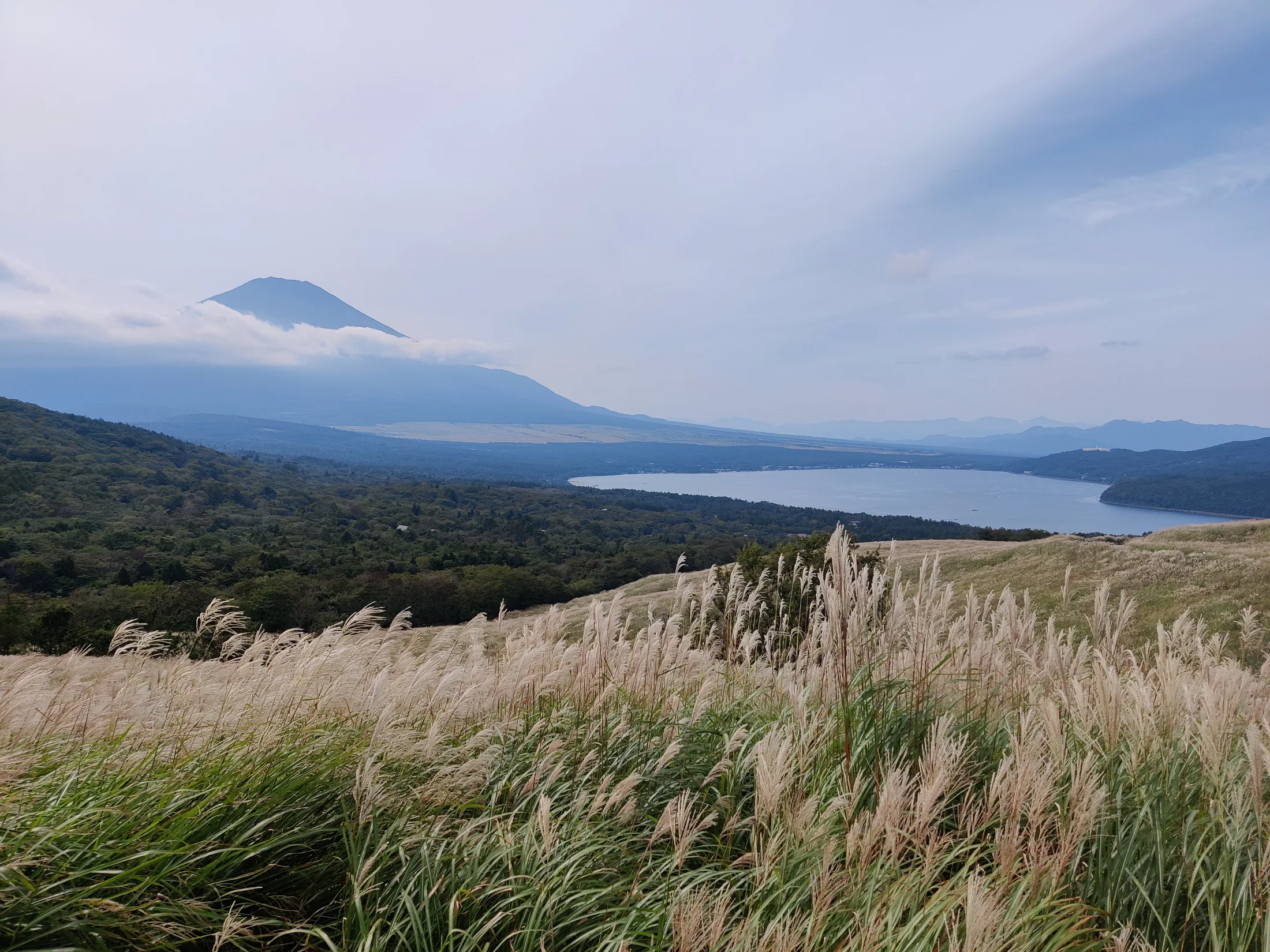
Saiko works particularly well if the landscape around Mount Fuji interests you as much as the mountain itself.
The lake borders the Aokigahara forest area and sits close to lava caves, walking routes and Saiko Iyashi-no-Sato Nenba. Saiko is particularly associated with hiking, camping, fishing, boating and access to the caves and forest landscape.
Geologically, Saiko is also closely connected to the history of Mount Fuji. The Jogan eruption of 864 sent lava into a much larger ancient lake, separating what became present-day Saiko and Shojiko. The forest later developed across these lava flows.
For visitors without a car, Saiko is considerably easier to reach than its quiet atmosphere might suggest. Fujikyu's Green Line runs from Kawaguchiko Station through Saiko, Aokigahara and the cave areas.
It is therefore a useful middle ground: noticeably quieter and more nature-focused than Kawaguchiko, while still connected to a practical sightseeing bus route.
Choose Saiko if: you are interested in Aokigahara, lava formations, caves, hiking or a quieter nature-based day.
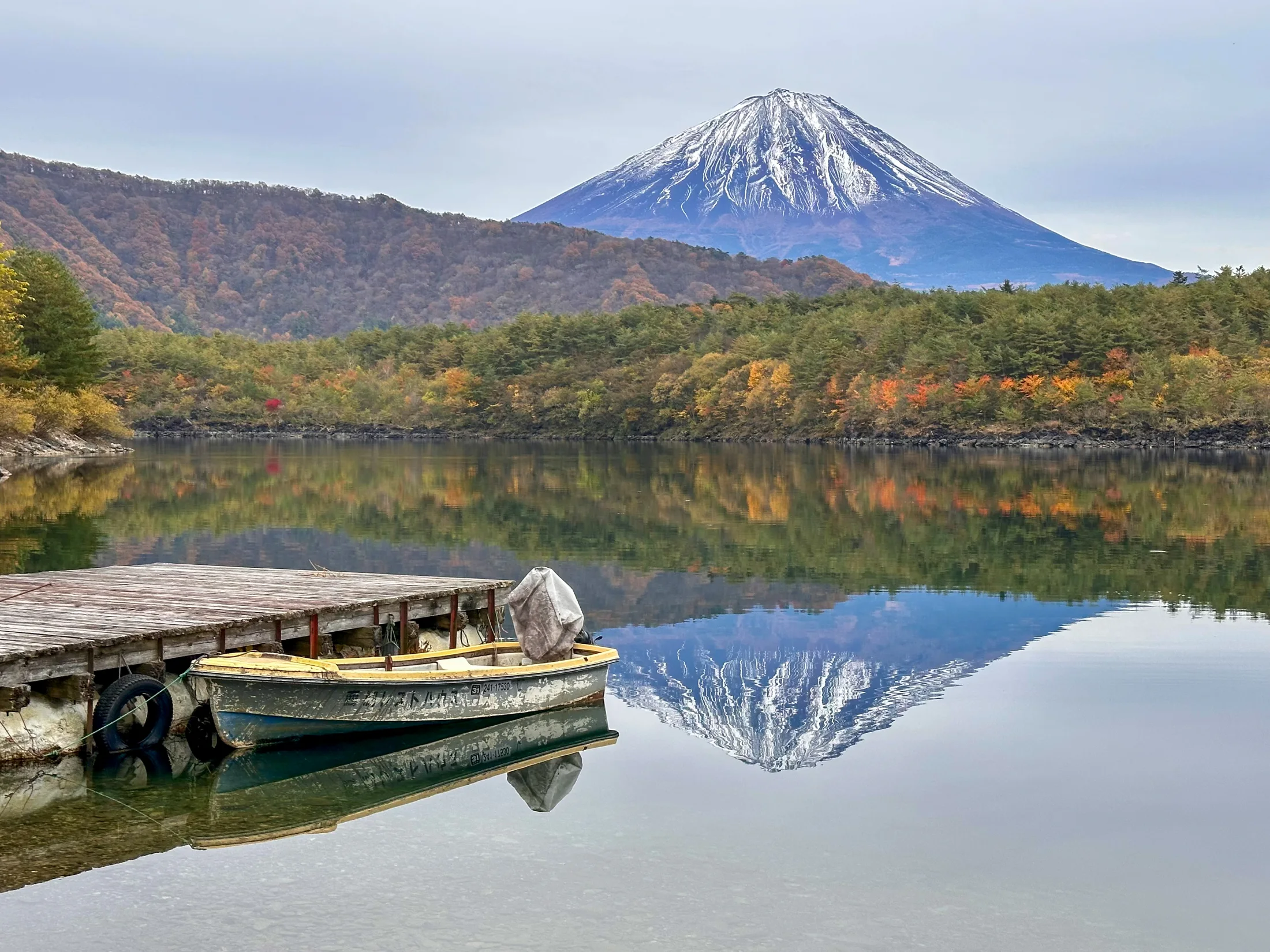
Lake Shojiko: for a smaller, quieter lake
Shojiko is the smallest of the Fuji Five Lakes.
It has far less sightseeing infrastructure than Kawaguchiko and a more compact, enclosed landscape. The area is associated with camping, hiking, fishing and views of Mount Fuji across the lake.
One of its characteristic views is sometimes called Kodaki Fuji, or “Fuji holding a child”, because the smaller Mount Omuro appears in front of Mount Fuji from parts of the lakeshore.
Shojiko is not cut off from public transport. The Blue Line sightseeing bus from Kawaguchiko Station continues through the Shojiko and Motosuko areas.
But it is still better suited to someone who is comfortable with a slower day. There are fewer obvious attractions to move between, and that is part of the point.
You come here more for the lake, surrounding mountains and atmosphere than for a checklist.
Choose Shojiko if: you prefer a small-scale setting, camping, fishing or simply spending time beside a quieter lake.
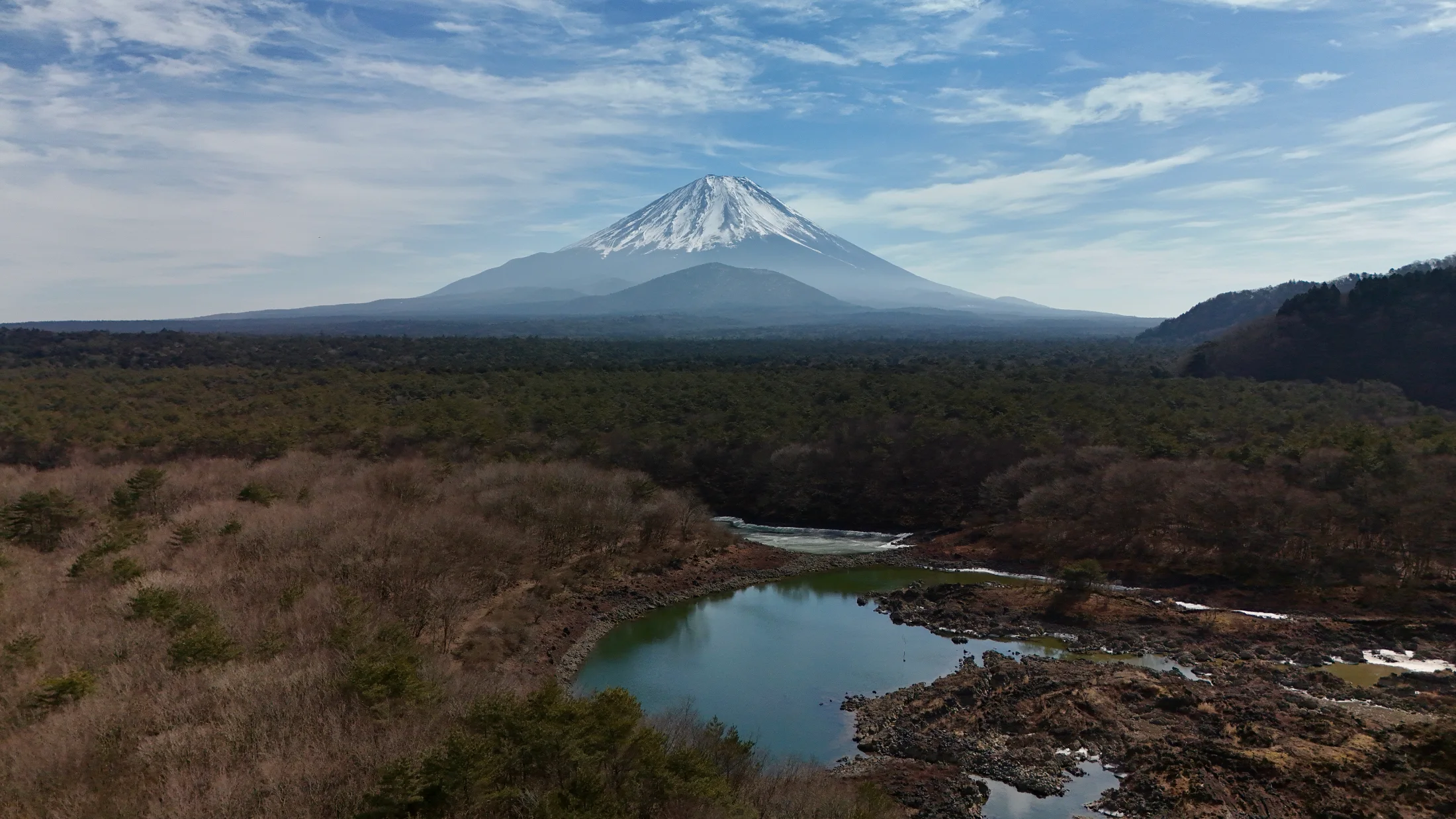
Lake Motosuko: for space, water and a classic Fuji view
Motosuko is the westernmost and deepest of the Fuji Five Lakes.
It is particularly well known for the view of Mount Fuji from the northwestern side of the lake, a composition used on the reverse of Japan’s previous 1,000-yen banknote.
The surrounding area is well suited to camping, hiking and water-based activities. Compared with Kawaguchiko, the experience is much more about the landscape itself than a concentration of museums or built attractions.
Motosuko is also reachable by public transport. Fujikyu's Blue Line connects Kawaguchiko Station with Shojiko, Motosuko and the Fuji Shibazakura Festival area.
Still, the greater distance from Kawaguchiko Station means that schedules matter more here. A car gives you considerably more flexibility if Motosuko is your main destination rather than one stop during a wider trip.
Choose Motosuko if: you want open scenery, camping, hiking, clear water and a less urbanised lakeside experience.
If you do not have a car
You can visit all five lakes using public transport, but they are not equally convenient.
Kawaguchiko is the main transport hub for the western lakes. The Red Line serves Kawaguchiko, the Green Line continues through Saiko and Aokigahara, and the Blue Line reaches Shojiko and Motosuko. Yamanakako is served separately by the Fujikko-go network and direct highway buses.
This matters when choosing where to stay.
If you want the greatest flexibility without a car, Kawaguchiko is usually the practical base.
If your trip is mainly about Yamanakako, staying there can make more sense than repeatedly travelling back from Kawaguchiko.
For Saiko, Shojiko and Motosuko, check the current bus timetable before building the day around several stops. The farther west you travel, the more important it becomes to know when your return bus leaves.
Should you try to visit all five?
Usually, no.
The lakes belong to the same region, but they are not arranged like five attractions around one compact town. Moving between them takes time, particularly by bus.
Trying to see all five in a short day often means spending more time travelling than actually experiencing the places.
For a first visit, one lake in depth, or perhaps two areas that fit naturally together, is usually enough.
Kawaguchiko and Saiko combine relatively easily. Shojiko and Motosuko can also make sense together. Yamanakako is better thought of as its own area, often combined with Oshino or Fujiyoshida rather than with every western lake in the same day.
Practical note
Transport services and timetables change seasonally. Check current Fujikyu Bus information before travelling, especially when visiting Shojiko or Motosuko.
Mount Fuji itself is never guaranteed to be visible. A lake should still make sense for your day even if the mountain stays behind the clouds.